

Introduction
In modern poultry production, gender sorting of day-old chicks remains a global practice essential for flock nutrition optimization, slaughterhouse processing performance, and meeting both local and international market demand.
One widely used traditional manual method is feather sorting, a visual, non-invasive technique allowing operators to distinguish male and female broiler chicks by examining the relative length of wing feathers. Although commonly implemented across hatcheries in Europe, the United States, and many other regions, this approach shows limited consistency and raises important questions regarding accuracy, labor, and operational needs.
What Is Feather Sorting?
Feather sorting leverages genetic differences in feathering speed. In certain broiler lines, female chicks are fast-feathering, while male chicks feather more slowly.
The technique consists of observing the primary and covert wing feathers to determine gender:
- Females: Primary feathers clearly extend beyond the coverts, offering an immediate visual indication.
- Males: Primary feathers are equal to or shorter than the coverts, giving the wing a more uniform appearance.
This identification method is only suitable for poultry breeds with gender-linked feathering genes. For other crosses, vent sorting or more advanced technology-based systems are required.
Feather sorting has long been appreciated for its simplicity: it is manual, low-cost, and does not require specialized equipment. However, its accuracy is strongly dependent on operator skills, environmental conditions, and feather development timing ; factors that create substantial risk of misclassification.

Timing, Feather Development, and Biological Variability
Sorting performance is influenced by the developmental stage of the chick’s wing feathers. If chicks hatch too late, their feathers may be underdeveloped at sorting time, making visual identification more challenging and slowing down throughput at the sorting line.
Conversely, if chicks hatch too early or if sorting occurs long after hatch, feather blades can become overdeveloped, reducing the clarity of length differences between males and females.
These biological phenomena highlight the key importance of:
- precise timing,
- standardized practices,
- monitoring of hatch windows,
- and well-coordinated hatchery operations.
Without proper control, accuracy drops significantly, affecting producers who must optimize flock health and targeted nutrition programs based on correct male/female separation.
- Wearable and biometric sensors — such as smart ear tags, rumination collars, and boluses — continuously measure activity, temperature, and feeding patterns. These data streams allow early detection of lameness, fever, or reduced intake long before clinical symptoms appear.
- Vision-based systems use cameras and artificial intelligence to assess temperature, posture, gait, and behavior, while acoustic monitoring tools can detect coughing or distress calls. Together, these tools form the sensory layer of the “digital barn,” offering practitioners a continuous view of animal welfare and performance.
- Equally important are environmental, feeding, and data-integration systems. Smart feeders and automatic weighing platforms quantify individual feed intake and growth rates, while barn sensors track temperature, humidity, and ammonia to anticipate heat stress or respiratory risks.
All these inputs converge in decision-support dashboards, where machine-learning models allow the translation of raw data into alerts and visual summaries. For practitioners and farm managers, these platforms turn fragmented information into an actionable one — highlighting which animals need attention and when. Yet, as with any diagnostic tool, the practitioner’s interpretation remains essential to turn digital indicators into meaningful, welfare-oriented decisions.
Operator Fatigue: A Hidden Challenge Affecting Consistent Manual Accuracy
Manual feather sorting is a highly repetitive and physically demanding process. Operators must maintain fine motor skills and sustained concentration while handling up to 2,000–3,000 birds per hour. In many hatcheries, shifts extend over long periods, increasing the likelihood of:
- physical strain,
- reduced focus,
- mental fatigue,
- and error accumulation.
Studies and field observations show that fatigue can increase misclassification rates, particularly toward the end of shifts. Over a standard hatch window of 6 hours, it is common to see up to 12% accuracy error with traditional manual sorting.
For a hatch of 200,000 day-old chicks, this represents 24,000 chicks incorrectly allocated impacting farm nutrition strategies, growth performance, weight uniformity, processing plant efficiency, and even potential disease management outcomes.
These challenges underline the need for:
- scheduled breaks,
- team rotation,
- ergonomic workstations designed to minimize strain,
- and supportive practices that help maintain high accuracy.

The Global Shortage of Experienced Operators
Feather sorting is a specialized skill requiring practice and operational precision. While training new staff helps familiarize them with the technique, achieving high accuracy at rapid throughput levels demands years of experience. Skilled operators can detect subtle feathering variations and maintain performance despite fatigue or biological variability.
However, hatcheries worldwide face a persistent labor shortage. Recruiting and retaining qualified personnel is increasingly difficult due to:
- the intense physical and mental demands of the job,
- long working hours in controlled environments,
- growing competition from industries offering more comfortable conditions.
This global constraint places significant pressure on hatchery operations, limiting their capacity to maintain standards and meet production timelines. As the poultry sector continues to grow today, producers seek next-generation solutions that provide real-time data, accurate detection, and intelligent decision-making support.
The Need for Intelligent, Automated Solution
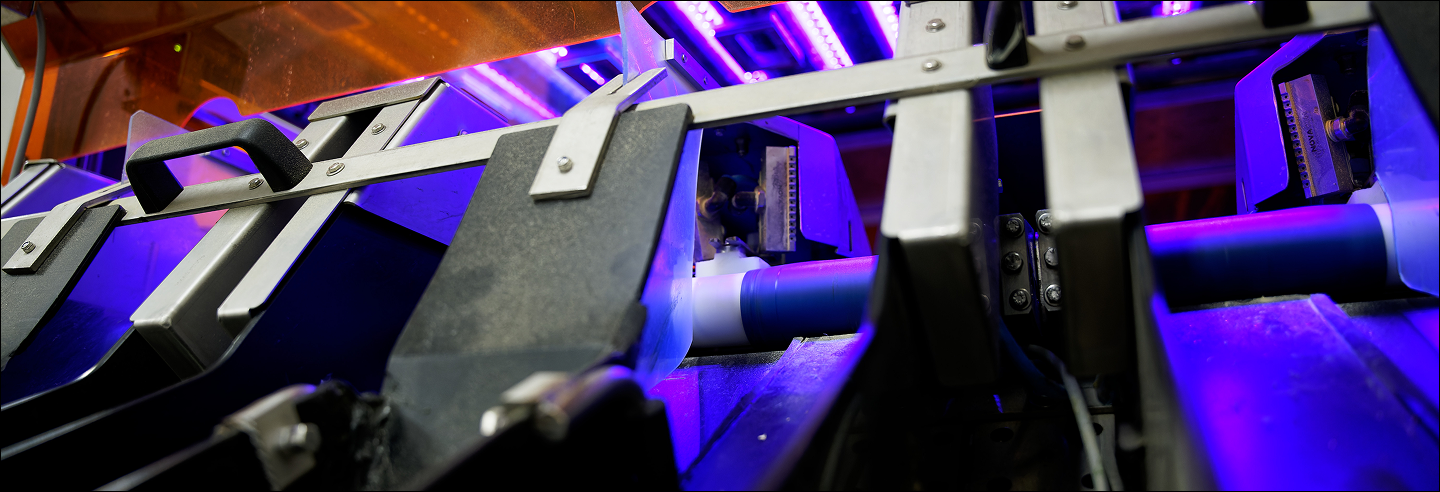
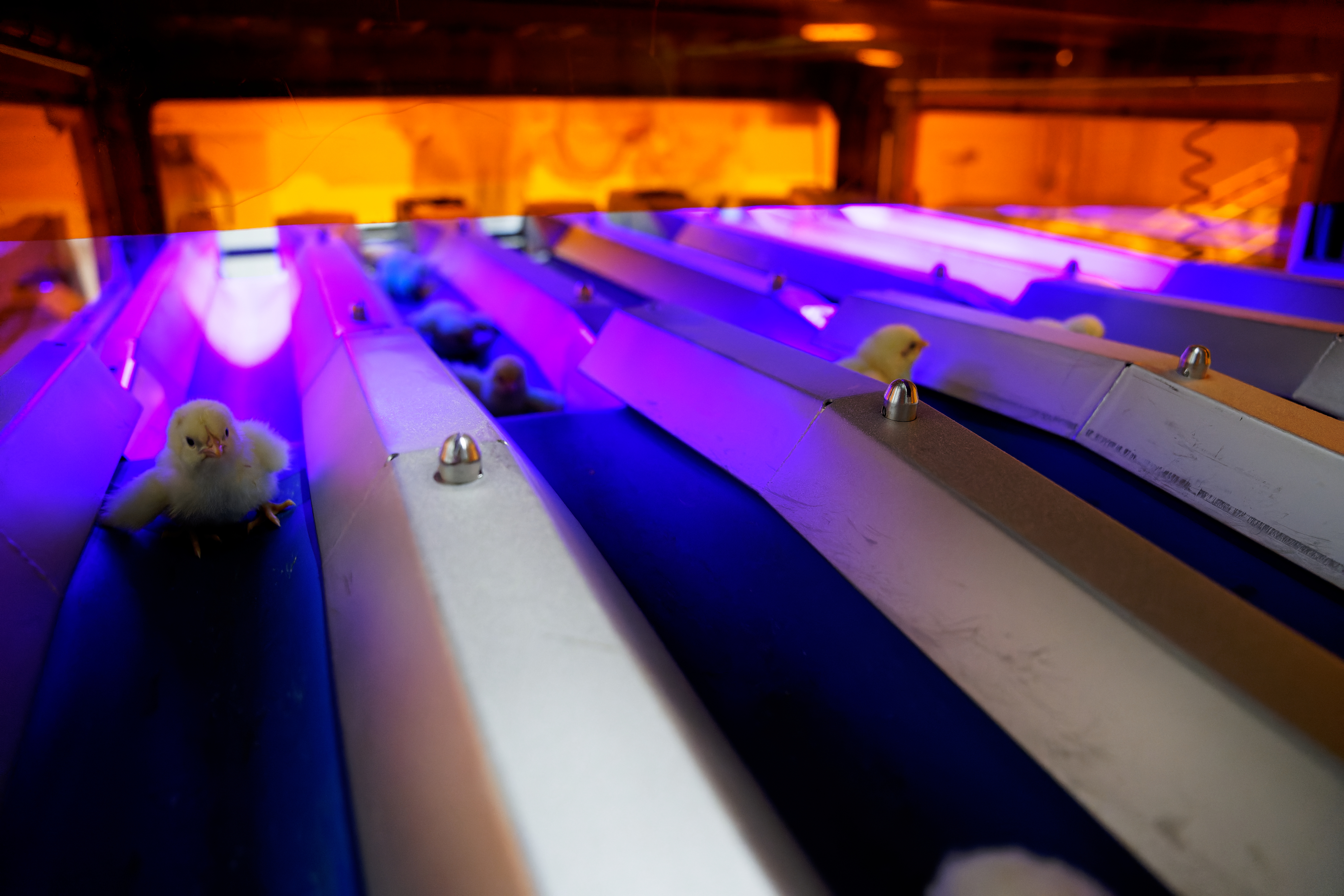
These operational and human-factor limitations highlight the growing potential of automated hatchery technology—systems like WingScan, Genesys, and other intelligent, integrated innovations that support modern poultry production. Such equipment is designed to:
- provide high-accuracy gender detection,
- ensure consistent performance across variable biological and operational conditions,
- support large hatchery operations with increased throughput,
- minimize human-related error,
- maintain standards across local and international markets,
- and provide access to information and data essential for decision-making.